Types of houseplants
There are various types of plants, much how there are types of dog breeds.
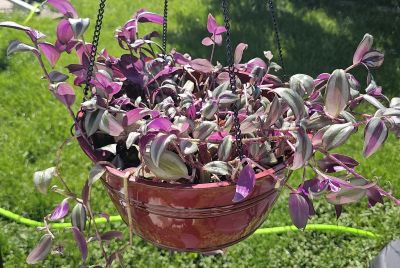
Much how with dogs there are working class, sporting class and the ones that just hang out on your couch, houseplants can be put in categories based on their needs, wants and behaviors as well. Depending on your skill, lighting and watering preferences different plant types may thrive compared to others. Many people assume they have no ability to keep plants alive, but are unaware that there is a type of plant that likes almost every situation and its just a matter of finding one that suits you. Below is a list of a small sampling of houseplant images and some general information about each category of plant.
Air Plants:
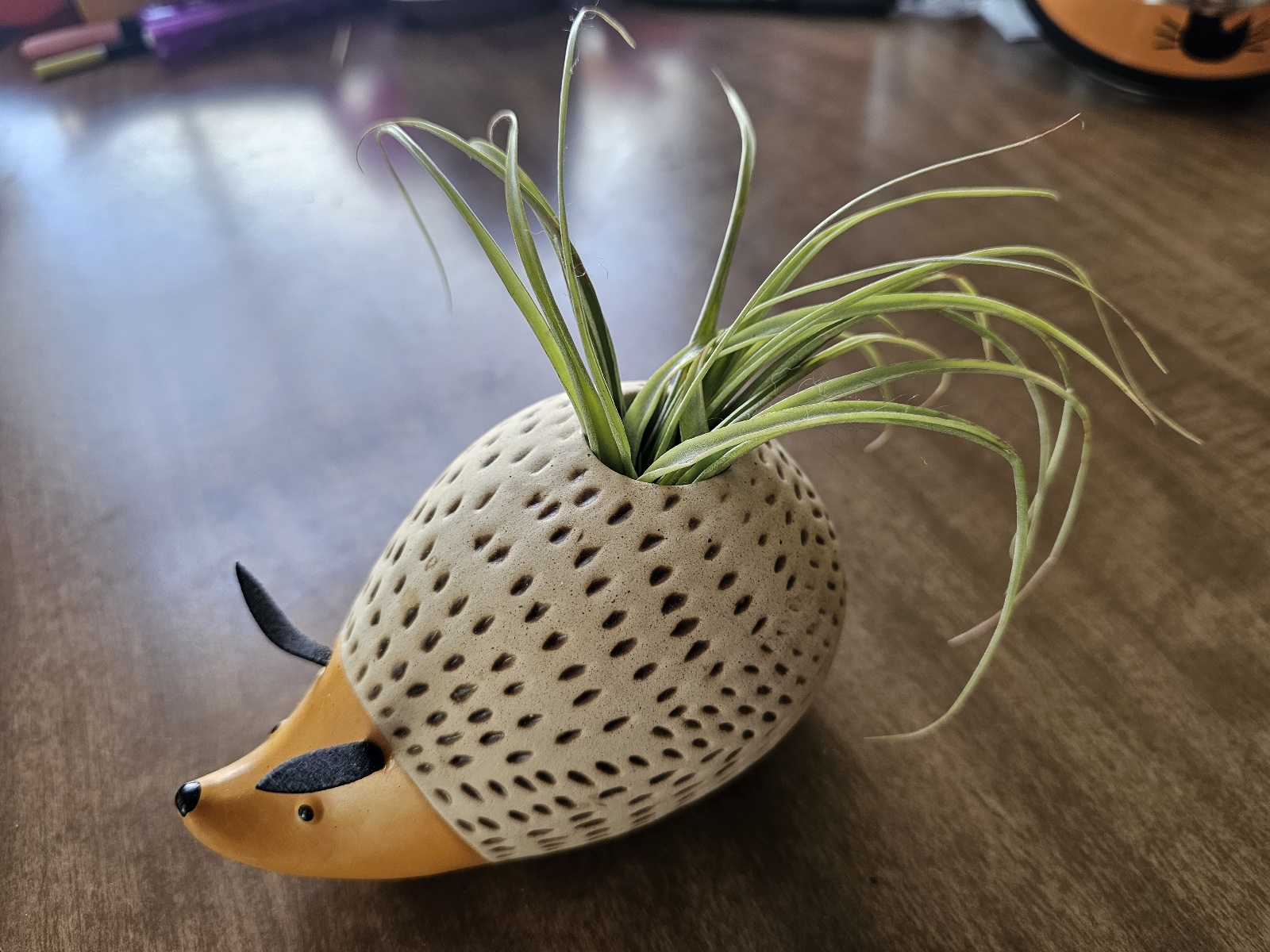
Air plants are a great starting point for someone who wants an extremely fuss free plant. They require no soil and absorb water and nutrients through the air with their special leaves. there are two main types that people have as far as watering needs, the green ones need to be watered a little more frequently than their silver counterparts. Watering consists of placing the plant in a cup of water for about 10-15 minutes when it starts to show signs of drying out or changing color. Shake of the plant and set back in a bright location away from direct sunlight. Super simple
Aquatic/Semi-aquatic Plants:

These plants are usually paired with fish or turtles in aquariums/terrariums. They can grow fully or partially submerged in water. There are also specialty planters for these plants. Some of the plants in this category can grow in this manner or in a pot with soil. Though transitioning them between the two methods does take some skill and it is better to purchase/receive a plant already acclimated into the desired method if you are just starting out. These plants create a great biome for other aquatic life as well.
Cacti:
These plants come in many different styles, but in general they love hot, dry environments and when you water them they love to be entirely submerged into water until the soil hydrates then pulled out and drained thoroughly. This is because in their natural environment they are used to being either very, very dry, or torrential rains. Most of these plants will need to be handled with cloves when repotting, and can either be very small or extremely large.
Herbs:
Herbs are a common plant that can be grown outdoors or indoors, it usually only last for one year and needs to be purchased again, but it is an extremely useful plant that can sit in a kitchen window (the brighter the better) and be used in daily cooking. This is also a good starter plant because it has more attention drawn to it if it is sitting above the sink and is being used for cooking, so they are harder to forget about.
Succulents:

These are a strange mix between a cactus and a tropical plant. They have reservoirs in their bodies that hold onto water. While most of them hold onto them in their leaves like jade or aloe plants, there are others like the ZZ plant that holds onto water in rhizomes in their stems. They like to have their soil dry out completely, and often their stems start to soften before being watered again. These are a great plant for people who are prone to forgetting about their plant and water very infrequently. Some succulents love humidity and misting like jade plants and others do not like to be moist at all like haworthia.
Tropical plants:

These are extremely popular houseplants and have an extremely wide variety of sizes, colors and shapes. They can last years and years and many will make their own baby plants that are great for sharing (a common way people get their first houseplant from friends or family) and many of these plants can be cut down into smaller pieces that will then root and grow into its own healthy full sized plant. There is a wide variety of lighting requirements, from some that can live in an office under florescent lighting to some that need as much direct sunshine as possible. While overall these plants love humidity, the exact need for each plant can vary between species. Another rule of thumb is that while most of these plants like moist environments they really love for their soil to drain well and do not like to be soggy, so a good quality substrate mix will really help these plants thrive.